

Key takeaways
- Valle de Anton sits at 600 meters inside a volcanic crater roughly 6 km wide, giving it a cool, spring-like climate rare for lowland Panama.
- The India Dormida trail, waterfalls, hot springs, and a Sunday craft market are the core sights, all reachable in a single day.
- The town is a refuge for the Panamanian golden frog, listed by the IUCN as critically endangered and possibly extinct in the wild since 2009.
- El Valle sits about 130 km from Panama City, roughly a two-hour drive, which makes a guided day trip realistic and comfortable.
Valle de Anton is a small mountain town built inside an ancient volcanic crater about two hours west of Panama City, and it makes one of the country's most rewarding day trips. You come for the cool air, a famous ridge-line hike, waterfalls, hot springs, a Sunday craft market, and a sanctuary protecting Panama's national symbol, the golden frog. This guide covers what to see, how to get there, and how to plan your visit.
Key Takeaways
- Valle de Anton sits at 600 meters inside a crater roughly 6 km wide, giving it a cool climate rare for lowland Panama.
- The India Dormida trail, waterfalls, hot springs, and a Sunday market are the core sights, all doable in one day.
- The town shelters the Panamanian golden frog, listed as critically endangered and possibly extinct in the wild.
Where Does Valle de Anton Sit Inside a Volcanic Crater?
Valle de Anton fills the flat floor of a caldera about 6 km wide, sitting at roughly 600 meters (around 2,000 feet) above sea level in Panama's Cocle province. The crater formed when the top of the El Valle volcano collapsed into its emptied magma chamber, leaving a fertile bowl ringed by green peaks.
That geography is the whole appeal. The town is often described as one of the largest inhabited volcanic craters in the world, and the surrounding walls trap moisture that feeds cloud forest, waterfalls, and orchids.
Because of the elevation, the air stays noticeably cooler than the coast. Daytime temperatures typically run between 65 and 75 degrees Fahrenheit, so many Panama City residents treat El Valle as a weekend escape from the heat. For a visitor, that means comfortable hiking weather most of the year.
What Are the Top Sights in El Valle?
The main draw is the India Dormida trail, a ridge whose profile is said to resemble a sleeping woman. A popular extended route runs about 10 km (6.2 miles) with roughly 576 meters of elevation gain, according to trail data on AllTrails. A shorter loop of a few kilometers works well for casual walkers.
Beyond the hike, three sights round out a full day:
- Waterfalls. Chorro El Macho is the best known, a tall cascade set in private rainforest with a canopy platform nearby. Smaller falls dot the valley after rain.
- Hot springs. A cluster of small thermal pools sits near the base of the crater walls, fed by the same volcanic geology that shaped the valley. They are mineral-rich and shallow, better for a soak than a swim.
- The Sunday market. The Mercado de El Valle runs strongest on Sunday mornings, selling produce, orchids, handwoven baskets, and carved soapstone. It is the best place to buy directly from local artisans.
Plan your route so the market and frog sanctuary bookend the hike, since both sit near the center of town.
Why Is the Golden Frog Sanctuary Worth Visiting?
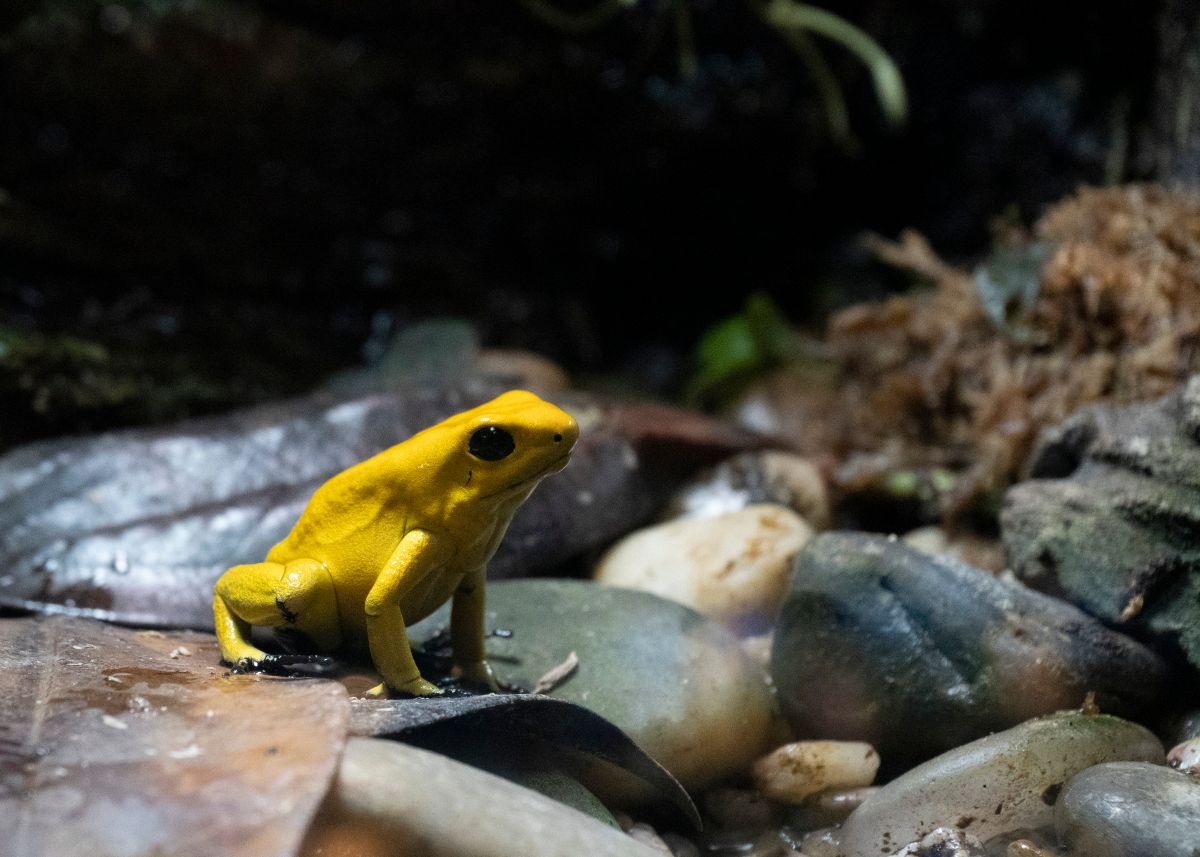
El Valle is one of the last strongholds of the Panamanian golden frog, a bright yellow amphibian that the IUCN lists as critically endangered and possibly extinct in the wild. The last confirmed wild sighting was in 2009, after a fungal disease called chytridiomycosis swept through Central America's amphibians.
You can still see living golden frogs at the El Nispero zoo, which houses the El Valle Amphibian Conservation Center. The facility breeds the species in human care, and conservation teams, including partners tied to the Smithsonian, are working toward reintroducing captive-bred frogs to the wild. You can read the species background and its decline on its Wikipedia entry.
Seeing the frog behind glass carries weight once you know the story. The animal is a national symbol in Panama, and this valley is where its survival is being fought for.
How Do You Get There, and How Long Should You Stay?
Valle de Anton sits about 130 km west of Panama City, roughly a two-hour drive. You follow the Pan-American Highway to the El Valle turnoff, then climb a winding road up into the crater. A rental car works, but the last stretch is steep and unlit after dark.
A single day is enough for the highlights. A realistic plan looks like this:
- Leave Panama City early and arrive by mid-morning.
- Hike India Dormida or visit a waterfall while the air is cool.
- See the golden frog sanctuary and browse the Sunday market.
- Have lunch in town and drive back by late afternoon.
If you want to hike at a slower pace, soak in the hot springs, and catch the market at its Sunday peak, one overnight stay turns a rushed day into a relaxed weekend.
What Does a Guided Valle de Anton Tour Add?
A guided day trip removes the two hardest parts of visiting El Valle: the drive and the logistics of finding scattered sights. Hobbyprotour runs sightseeing tours in Panama, and a guided Valle de Anton trip handles the highway transfer, the timing between trailhead, waterfall, and sanctuary, and the local context that turns a checklist into a story.
The value is not just transport. A guide knows which India Dormida route matches your fitness, when the market vendors set up, and why the golden frog matters to Panamanians. That framing is hard to reconstruct on your own in a single day.
If you are building a broader Panama itinerary, El Valle pairs well with other classic outings. Many travelers combine it with a Panama Canal tour earlier in the week, then head inland for the cooler crater air and rainforest trails.
When Should You Visit, and What Should You Pack?
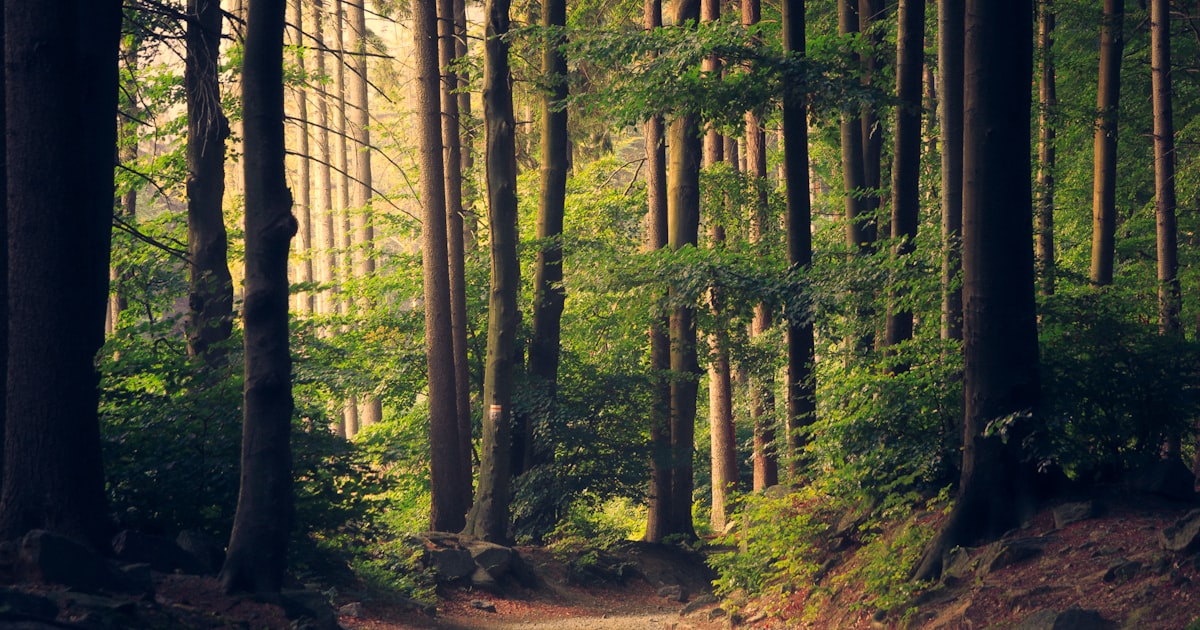
The dry season from December to April is the most reliable window for hiking and clear views across the crater. Rain is lighter and trails are firmer, though the valley stays green all year thanks to its cloud-forest climate. Even in the wetter months, mornings are often clear enough for a hike before afternoon showers.
Pack for cool, damp mountain conditions rather than beach heat:
- Sturdy shoes with grip for muddy, root-crossed trails.
- A light rain jacket or poncho, useful in any season.
- Water, sunscreen, and insect repellent.
- A swimsuit if you plan to use the hot springs.
- Cash in small bills for the market and local entry fees.
Layering matters more here than almost anywhere else in Panama, because the crater can feel warm in the sun and chilly in the shade within the same hour.
Planning Your Trip
Valle de Anton rewards travelers who slow down: a cool crater, a ridge hike, a waterfall, and a frog that is still fighting for survival. The simplest next step is to block out a full day for it and decide whether you want to drive yourself or let a guide handle the route. If you would rather focus on the scenery than the road, look at a guided El Valle day trip with Hobbyprotour and pair it with a coastal outing like a Monkey Island water tour to round out your week in Panama.
Frequently asked questions
How far is Valle de Anton from Panama City?
Valle de Anton is roughly 130 km west of Panama City, about a two-hour drive on the Pan-American Highway before the climb into the crater. A guided tour usually leaves the city early to reach the town by mid-morning.
Can you see the golden frog in Valle de Anton?
Yes. The frog is extinct in the wild, but you can see living Panamanian golden frogs in captivity at the El Nispero zoo, home to the El Valle Amphibian Conservation Center, where they are bred for research and eventual reintroduction.
How long should you stay in Valle de Anton?
A full day covers the main sights: one trail, a waterfall, the frog sanctuary, and the Sunday market. Travelers who want to hike India Dormida slowly or soak in the hot springs often stay one night.
What is the best time to visit Valle de Anton?
The dry season from December to April brings the most reliable weather for hiking and clear crater views. Thanks to its 600-meter elevation, the town stays cool year-round, with daytime temperatures around 65 to 75 degrees Fahrenheit.
Add a Comment