
Key takeaways
- San Blas, known locally as Guna Yala, is an autonomous Caribbean region of roughly 365 islands governed by the indigenous Guna people.
- Only 49 of the islands are inhabited, and nearly all of the region's 32,000 residents are Guna.
- Visitors pay a $20 entry fee collected by the Guna General Congress, and cash is essential because there are no ATMs.
- The islands sit about 55 miles northeast of Panama City, reached by 4×4 and boat or a short domestic flight.
- A guided excursion handles permits, transport, and boat logistics, which removes most of the trip's friction.
San Blas Panama is a self-governing chain of roughly 365 Caribbean islands, run by the indigenous Guna people and famous for white-sand cays, clear turquoise water, and a way of life that has stayed largely on its own terms. Travelers come here for the postcard scenery, but they stay curious because the region operates under its own rules rather than the pace of mainland tourism.
Locally the region is called Guna Yala. It stretches along Panama's Caribbean coast, and only a fraction of its islands are inhabited. That combination of scale and emptiness is what gives San Blas its reputation: dozens of tiny islands where you might share a beach with a handful of thatched huts and little else.
What San Blas (Guna Yala) Is and Why Travelers Love It
The San Blas archipelago includes approximately 365 islands and cays, and only 49 of them are inhabited. The rest are uninhabited sandbars, some barely big enough for a cluster of palm trees. That ratio is the whole appeal. You can spend a day hopping between islands that feel genuinely remote, then return to a small Guna community in the evening.
Nearly all of the region's 32,000 residents are Guna, one of Panama's indigenous peoples, as reported by AFAR. Life here revolves around fishing, small-scale trade, and the sea. The water is shallow and warm across much of the archipelago, which makes for easy swimming and calm snorkeling in protected spots.
There is a more sober reason to visit sooner rather than later. Scientists from Panama's Ministry of the Environment predict that the low-lying islands of Guna Yala may be underwater by 2050, and communities have already begun moving to the mainland. That fragility is part of what makes the place feel singular.
How the Guna People Manage This Autonomous Island Region
San Blas is not a standard national park or resort zone. It is an autonomous indigenous territory, and the distinction shapes every part of a visit. The Guna secured self-governance after declaring independence in February 1925, which made them among the first indigenous peoples in Latin America to win formal political autonomy.
Today the region is administered by the Guna General Congress, a governing body that sets the rules for tourism, land use, and community life. This is why visitors pay fees directly to Guna authorities and why access is more regulated than at a typical beach destination. The congress decides what can be built, who can operate tours, and how visitors behave once they arrive.
For travelers, the practical takeaway is simple. You are a guest in a self-governed homeland, and the tourism economy bends to the community rather than the other way around. Guides and boat operators work within the community's framework, and respecting that framework is the price of admission as much as any fee.
Getting to San Blas From Panama City and What a Trip Looks Like
The Guna Yala Comarca sits about 55 miles northeast of Panama City, but the distance on a map understates the journey. Most travelers reach San Blas one of two ways.
The common overland route is a 4×4 ride from Panama City over a winding mountain road to a coastal port such as Cartí, followed by a boat transfer to the islands. The drive takes several hours and the road is steep and twisting, so travelers prone to motion sickness should plan accordingly. From the port, a small motorboat carries you out to the islands.
The faster option is a short domestic flight to a landing strip within the region, which trims the overland leg dramatically. Flights are limited and small, so they book up and can be weather-dependent.
Whichever route you choose, expect early starts. Boats run on daylight, tides, and weather, not on a fixed timetable. A typical trip mixes transfers, island time, snorkeling stops, and simple meals of fresh fish and coconut rice.
Beaches, Snorkeling, and Overnight Island Stays
The beaches are the reason San Blas lives on so many travel wish lists. Sand is soft and pale, the water shifts from clear to deep turquoise, and many islands are ringed by shallow reef. Snorkeling here is easy and beginner-friendly: you can wade or swim out over coral and see fish, starfish, and the occasional shipwreck without needing a dive certification.
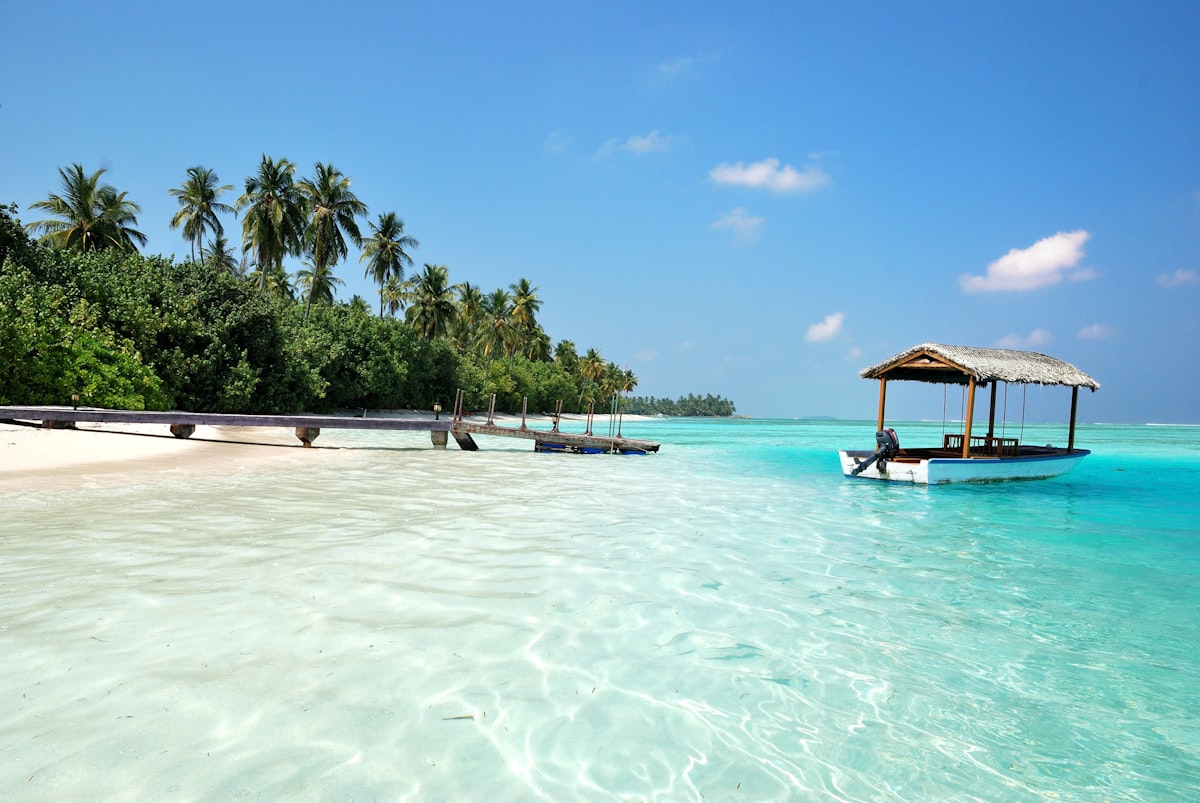
Accommodation is deliberately basic. On many islands, lodging means a thatched or wooden cabin, sometimes with shared facilities and limited electricity. There are no large hotels or resort complexes, and that is the point. An overnight stay lets you experience the archipelago after the day boats leave, when the islands quiet down and the sky opens up.
If you only have time for one night, spend it on an island rather than commuting back to the mainland. The early morning and late evening light on the water is worth the modest comforts. Bring a dry bag, reef-safe sunscreen, and more water than you think you need.
Cultural Etiquette When Visiting Guna Communities
Visiting Guna Yala comes with real responsibilities, and a little awareness goes a long way. The Guna maintain their own language, dress, and customs, and many communities are protective of their privacy for good reason.
A few practical guidelines:
- Always ask before photographing people, especially Guna women in traditional dress and mola textiles. Some will expect a small tip in exchange, and that is a fair arrangement.
- Buy handicrafts directly from makers when you can. The mola, a hand-stitched textile art form, is a genuine cultural piece with real value to the community.
- Follow your guide's lead on where you can and cannot walk, swim, or camp. Some areas are off-limits to visitors.
- Keep beaches and reefs clean. Pack out your trash, since waste management here is limited.
Treating the region as a living community, home to real families with their own rules, is the single best thing a visitor can do. The Guna have protected this place for a century, and respectful travelers help keep it that way.
Planning Tips: Cash, Timing, and Booking a Guided Excursion
Three practical points will make or break a San Blas trip.
Bring cash. There are no ATMs or card machines on the islands. Every visitor pays a $20 entry fee to the Guna General Congress, and individual islands or anchorages may add small charges on top. Carry enough U.S. dollars in small bills to cover fees, meals, boat transfers, and any crafts you want to buy.
Time it right. Panama's dry season, roughly December through April, generally brings calmer seas and more reliable weather for boat crossings and snorkeling. The wet season can still be beautiful, but expect afternoon rain and choppier water.
Book through a guide. The permits, transport chain, and boat logistics are where independent travelers most often run into trouble. A guided excursion handles the port transfers, congress fees, and island arrangements so you can focus on the water. If you are already building a wider Panama itinerary, Hobby Pro Tours runs guided sightseeing trips around the country and can help you fit San Blas into a plan that also includes the Panama Canal or a half-day on the water at Monkey Island.
San Blas rewards travelers who plan ahead and arrive respectful. Decide on your dates, confirm a reputable operator, and pull together your cash before you leave Panama City. Do that, and the islands will handle the rest.
Frequently asked questions
How much does it cost to enter San Blas?
Visitors pay a $20 entry fee to the Guna General Congress when entering the Guna Yala Comarca. Individual islands and anchorages may charge small additional fees on top of that.
Can you visit San Blas as a day trip from Panama City?
Yes. Day trips are possible, but the road-and-boat journey is long, so many travelers prefer an overnight stay to make the most of the beaches and snorkeling.
Do you need cash in San Blas?
Yes. There are no ATMs or card readers on the islands, so bring enough U.S. dollars in small bills to cover fees, meals, boat rides, and any handicrafts.
Is San Blas safe for tourists?
San Blas is generally considered safe for visitors who travel with reputable guides, respect Guna rules, and follow local customs. The main risks are logistical, such as weather and rough water crossings.
What language do the Guna people speak?
The Guna speak their own language, Dulegaya, though many people involved in tourism also speak Spanish, and some speak basic English.
[…] you want to see how San Blas fits alongside the rest of the coast, our companion piece on San Blas Panama and the Guna Islands goes deeper on culture and logistics. When you are ready to lock in dates, Hobby Pro Tours can […]