

Key takeaways
- Panama has more than 1,000 recorded bird species, making it one of the richest birding destinations you can reach on a short trip.
- The best sightings sit close to Panama City, in the Canal-area rainforest around Gatun Lake, Soberania National Park, and Pipeline Road.
- October and November bring one of the world's great raptor migrations directly over the isthmus.
- A good guided tour supplies an expert local guide, a spotting scope, and an early start when birds are most active.
- Small-group birding tours give you better sightings than large bus groups because quiet numbers spook fewer birds.
Panama bird watching tours put more than a thousand species within reach of a single short trip, and most of the best sites sit less than an hour from Panama City. That combination of density and access is rare. You can watch toucans and motmots in Canal-area rainforest at dawn and be back in the city by lunch.
This guide covers where to go, what you are likely to see, the best months to plan around, and how a small-group birding trip actually runs on the ground.
Why Panama Ranks Among the World's Top Birding Destinations
Panama's bird list is enormous for such a small country. The national avifauna totaled 1,020 species as of July 2023, according to Avibase, the Bird Checklists of the World database. Few places on earth pack that variety into so little ground.
Geography explains the abundance. Panama is a narrow land bridge between two continents, so North and South American species overlap here. The country also has two distinct coasts, a Caribbean slope and a Pacific slope, each with its own set of birds. On top of that, the isthmus funnels enormous numbers of migrants through twice a year.
The practical upside for a traveler is simple. You do not need a two-week expedition to see remarkable birds. Productive forest starts right at the edge of the capital.
Best Birding Spots Within Reach of Panama City
You can plan a strong trip around three clusters of habitat, all in the Canal corridor.
Gatun Lake and the Canal Waters
Gatun Lake, the artificial lake at the heart of the Canal, is lined with flooded forest and small islands. Birding by boat here gives you a different angle: herons, kingfishers, snail kites, and waterbirds along the shoreline, plus canopy species in the trees that come right down to the water. If you are already booking a Panama Canal boat tour, adding an early departure turns the same waters into prime birding.
Soberania National Park and Pipeline Road
Soberania National Park protects a large stretch of rainforest along the Canal, and it is a legend among birders. The park's recorded bird list runs into the hundreds of species. Its most famous trail, Pipeline Road, held the world record for the most species counted in a single Christmas Bird Count for many years running, a record kept by the Panama Audubon Society before other Neotropical sites overtook it in the mid-1990s. It remains one of the most productive lowland trails anywhere.
Rainforest Trails and Canal-Area Forests
Beyond the marquee names, the forest fragments around the Canal, along the old Gamboa road and the surrounding trails, deliver antbirds, woodcreepers, trogons, and mixed feeding flocks. These are the everyday backbone of a Canal-area birding morning.
What Panama Bird Watching Tours Include
The difference between a good birding morning and a frustrating one usually comes down to the guide. A trained local guide knows the calls, the perches, and the seasonal patterns, and can put a scope on a distant motmot in seconds. That expertise is what you are really paying for.
A well-run tour typically provides:
- An expert bird guide who knows the sites and the current activity
- A spotting scope, so the whole group can study perched and distant birds
- Transport from your hotel to the trailhead or boat launch
- An early start, because most species feed and sing hardest at dawn
- A small group, which keeps noise down and improves everyone's sightings
Timing matters more than almost anything else. Birds are most active in the first few hours after sunrise, so serious tours leave before dawn. By late morning, activity drops and the heat rises. Bring binoculars if you own a pair you trust, wear muted colors, and pack water and insect repellent.
Small-group trips have a real advantage here. Fewer people means less disturbance, quicker repositioning when a bird appears, and more one-on-one time with the guide. If you want to understand the trade-offs between group styles, it helps to compare the different guided tour formats before you book.
Seasonal Notes: Migration Windows and Best Months
Panama offers rewarding birding in every month because resident tropical species do not migrate. That said, two seasonal patterns shape when you might want to visit.
The first is the raptor migration. Every autumn, millions of hawks, vultures, and kites stream south over central Panama, one of the great migration spectacles anywhere. The window runs roughly from early October through mid-November, and on the best days the sky over the hills near Panama City fills with rivers of birds. If raptors excite you, plan around this period. The elevated viewpoint at Ancon Hill is one of the classic spots to watch the flights pass.
The second pattern is rainfall. Panama's dry season, roughly mid-December through April, brings easier trail conditions and more comfortable mornings. The green season delivers lush forest and active breeding behavior, with rain that tends to hold off until afternoon. For resident species, the difference between seasons is smaller than most first-time visitors expect.
Whatever month you choose, book early-morning departures. Time of day beats time of year for most sightings.
Signature Birds to Look For
Part of the fun of a Panama birding tour is the wish list. A few species stand out.
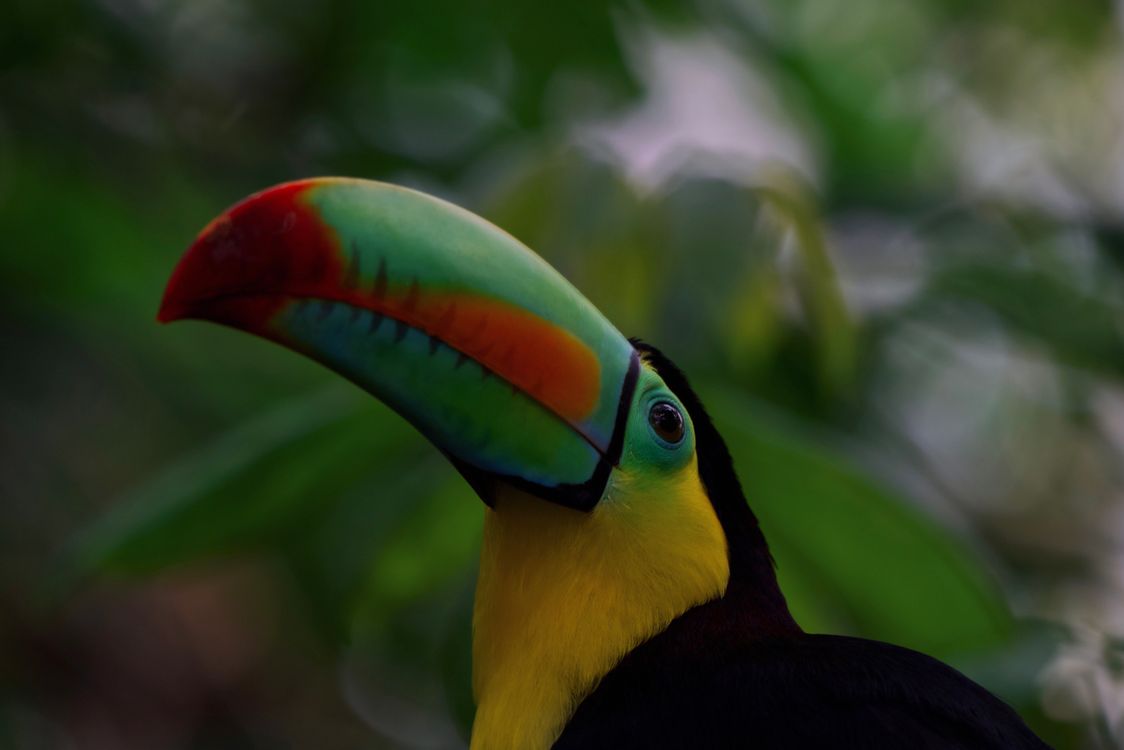
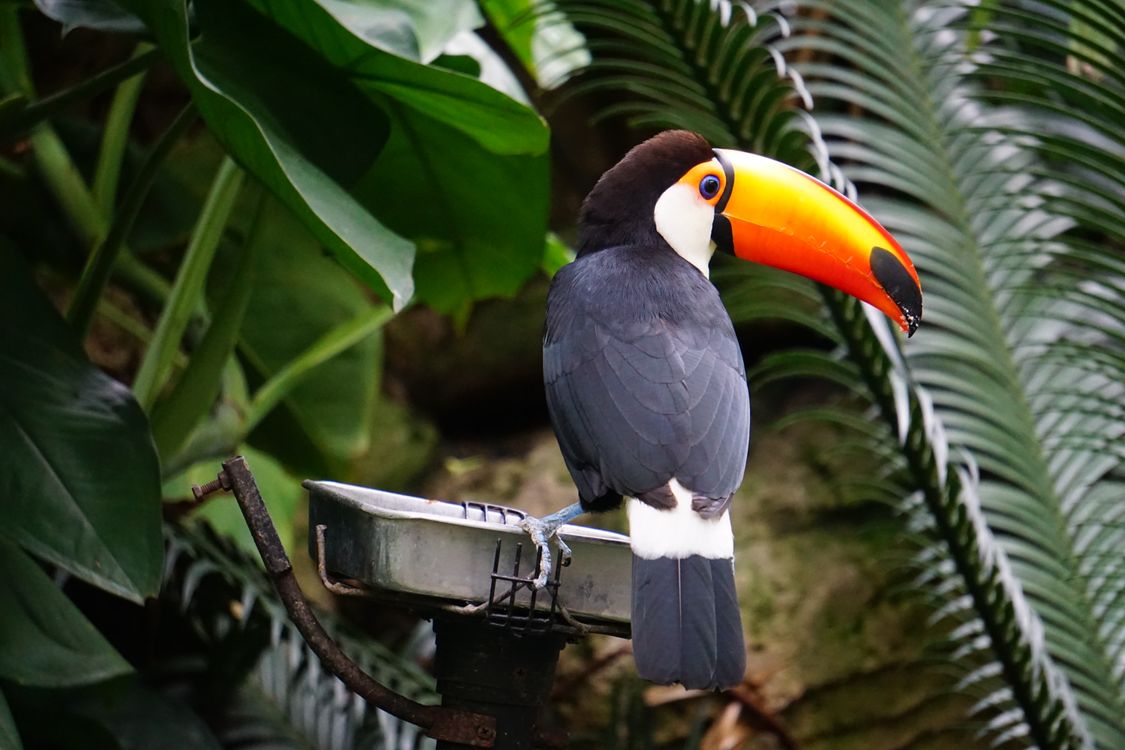
- Keel-billed toucan. The rainbow-billed toucan is the emblematic Canal-area bird, often seen in the canopy near Gatun and Pipeline Road.
- Motmots. Several species occur here, with their distinctive racket-tipped tails.
- Trogons and quetzals. Trogons are widespread in Canal forests, while the resplendent quetzal lives in the western highlands for those extending their trip.
- Tanagers and honeycreepers. Bright mixed flocks of tanagers are a lowland highlight.
- Harpy eagle. Panama's national bird is one of the world's most powerful raptors. Sightings are rare and never guaranteed, but the possibility is part of the country's mystique.
Even a single half-day outing usually turns up dozens of species, and a good guide will call out far more than you would notice alone.
How to Book a Small-Group Birding Experience with Hobby Pro Tours
Booking a Panama birding tour comes down to matching the trip to your goals. Decide first whether you want a focused birding morning in the Canal-area forest, a boat-based outing on Gatun Lake, or a full day that combines both. Then confirm the departure time. If dawn is not on the itinerary, keep looking.
Hobby Pro Tours runs small-group and private outings across the Canal corridor, the same region that holds Soberania, Pipeline Road, and the Gatun Lake waters described above. Because our groups stay small, the guide can adjust the pace to your list and your experience level, whether this is your first time with binoculars or your hundredth. Travelers who want maximum flexibility often pair a birding morning with a private tour so the schedule bends around the light and the birds rather than a fixed timetable.
To get started, pick your target habitat, choose a morning that lands inside your travel dates, and, if you are visiting in October or November, ask about adding the raptor migration to your plan. From there, an early alarm and a good pair of binoculars are all you need to bring.
Frequently asked questions
When is the best time for bird watching tours in Panama?
Early mornings year-round are best because birds feed at dawn. For sheer numbers, plan an October or November trip to catch the raptor migration over central Panama, though resident species are visible in every season.
Do I need experience to join a birding tour in Panama?
No. Guides tailor the pace to your group, so complete beginners and serious listers both do well. Small-group tours in particular let the guide match the walk to your interests.
What birds might I see near the Panama Canal?
The Canal-area forests are known for keel-billed toucans, several motmot species, trogons, tanagers, and, with luck, rarities like the harpy eagle. The area around Gatun Lake and Pipeline Road is among the most productive in the country.
How long is a typical Panama birding tour?
Most guided outings run a half day, starting before dawn and finishing by late morning. Full-day trips add a second location or a boat segment on Gatun Lake.
Add a Comment