

Key takeaways
- The San Blas archipelago holds roughly 365 islands and cays, of which only 49 are inhabited (Wikipedia, 2026).
- Day trips suit tight schedules, while overnight stays in Guna eco-cabins deliver the real experience.
- The islands are an autonomous indigenous territory governed by the Guna, so respect local rules and fees.
- Facilities are basic: pack cash, reef-safe sunscreen, water and everything you cannot buy on a sandbar.
- Book through a guided operator to handle the 4×4 transfer, boat logistics and Guna permits.
The San Blas Islands Panama are a chain of about 365 tiny Caribbean islands governed by the indigenous Guna people. You reach them by 4×4 and small boat from Panama City, and you can visit for a single day or sleep in a simple beach cabin for several nights. This guide covers how to choose, what to see, where to stay and how to prepare.
Few places in Central America feel this remote while sitting so close to a capital city. Expect white sand, warm shallow water and a culture that has protected its independence for a century.
What Makes the San Blas Islands Panama So Special
The San Blas archipelago comprises roughly 365 islands and cays, of which only 49 are inhabited (Wikipedia, 2026). That works out to almost one island for every day of the year, and most are little more than a sandbar ringed by palms.
The scenery is only half the story. This is Guna Yala, an autonomous indigenous territory that the Guna won through the Guna Revolution of February 1925, which ended in a US-mediated treaty granting them self-rule. The Guna General Congress still runs the region today, with its own courts and secretariats for tourism, education and territorial defense.
That autonomy shapes every visit. You pay a community entry fee, you follow Guna rules about where you can go, and much of the tourism income stays with local families. It is one of the few Caribbean destinations where mass resorts never took hold.
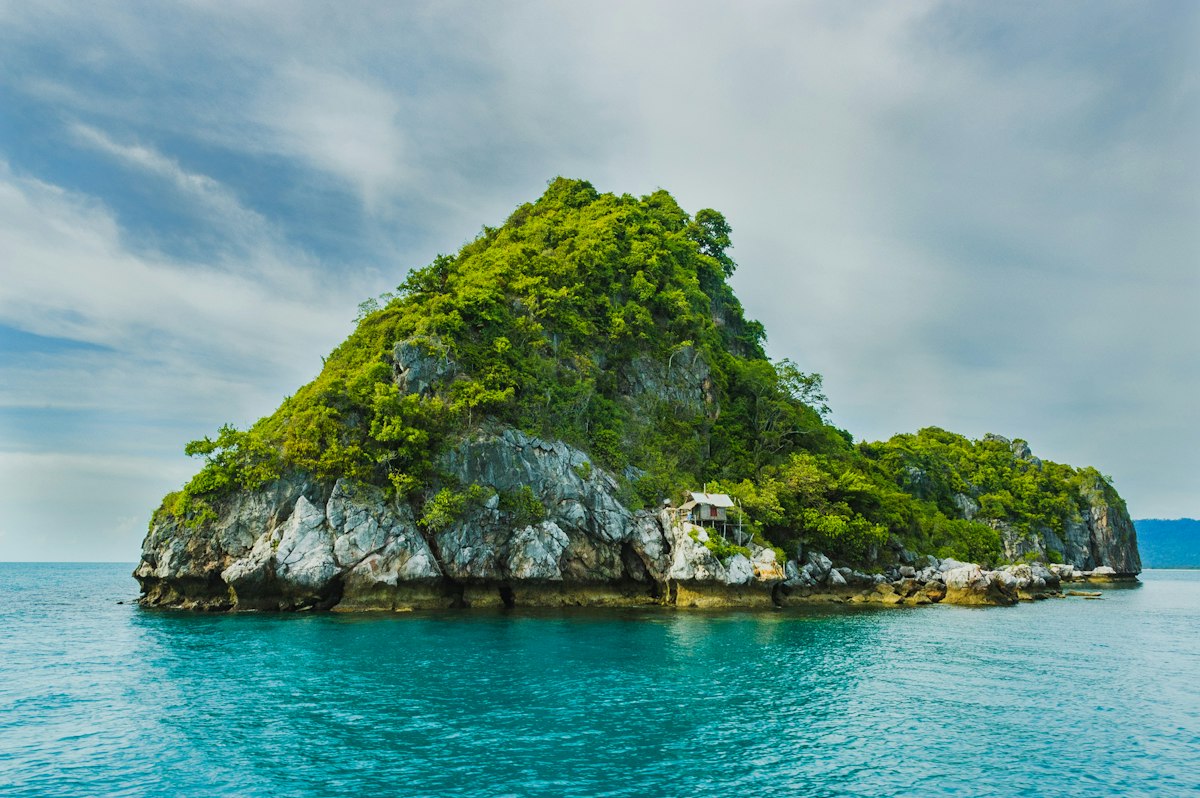
Should You Do a Day Trip or an Overnight Stay?
Both work, but they deliver different trips. A day trip gets you on the water by mid-morning and back to Panama City by evening, ideal if you only have one free day. An overnight stay in a Guna eco-cabin gives you sunrise, sunset and the quiet hours when the day boats have gone.
The transfer is the deciding factor. Reaching the coast means a 4×4 ride of two to three hours over a winding mountain road, followed by a boat out to the islands. Do that round trip in one day and you spend a lot of time in transit for a few hours of beach.
If you can spare the nights, stay over. One or two nights let you visit several islands, snorkel more than once, and eat fresh fish and coconut rice with a Guna family. The extra time also justifies the long transfer from the city.
Snorkeling Spots, Sandbars and Star Islands to Visit
The water here is the draw. Visibility is often excellent, the reefs sit close to the surface, and many day tours build in two or three snorkeling stops between islands. You do not need to be an experienced diver to enjoy it.
Most guided trips follow a loop of well-loved spots. The classic stops include:
- Natural pools and sandbars. Shallow, waist-deep water over white sand, perfect for wading and photos.
- Starfish points. Sandy shallows where large starfish gather. Look, but do not lift them out of the water.
- Small palm islands. Tiny cays with a handful of trees, a beach and little else.
- Shipwreck and reef stops. Some tours include a partially submerged wreck that draws fish.
The guides know which reefs are calm on a given day, which matters when the wind picks up. Bring your own mask if you can, since rental gear on the islands is limited and worn.
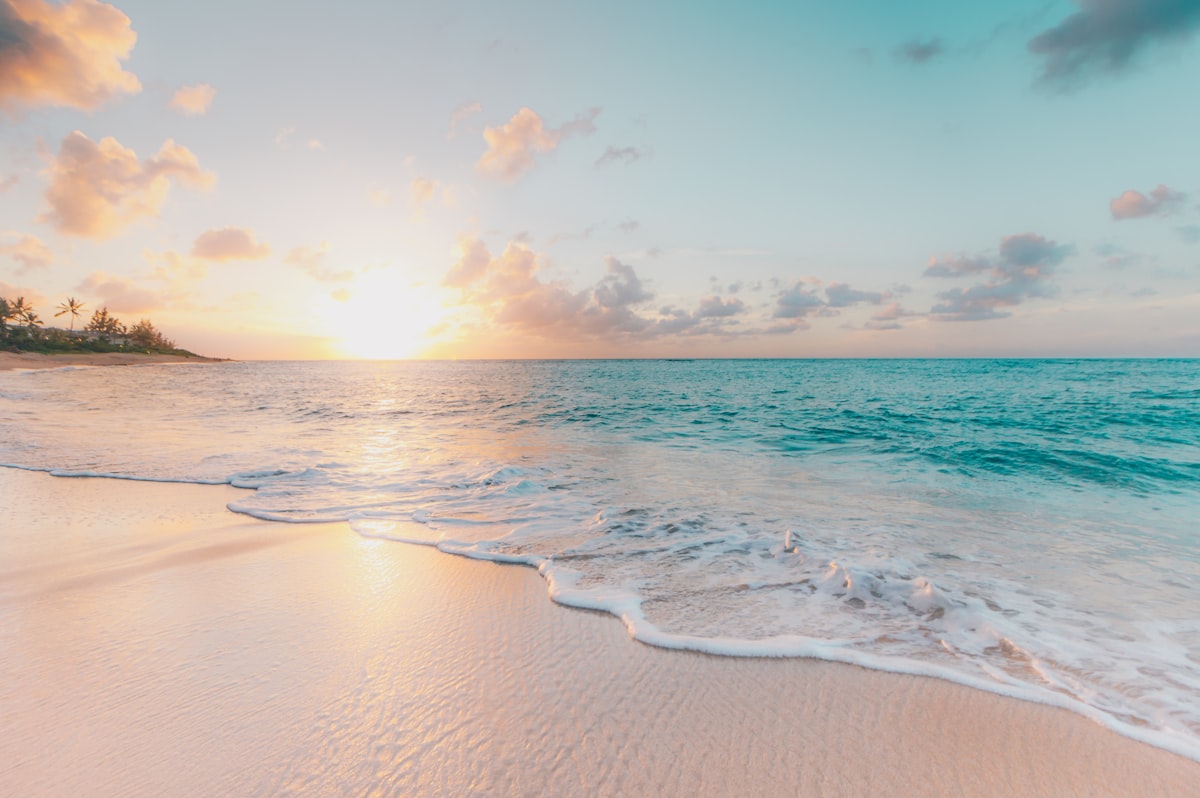
Staying With the Guna: Eco-Cabins and Local Hospitality
Accommodation is basic and that is the point. Most islands offer simple cabins, either thatched huts or wooden rooms, run by Guna families. Some sit right on the sand with a hammock outside the door, and a few include shared bathrooms and solar-powered lights.
Meals usually come included: fresh fish, lobster in season, rice, plantain and coconut. Do not expect menus, minibars or hot showers. What you get instead is a stay hosted by people whose community has run this coast for generations.
The Guna are also known for the mola, a hand-stitched textile panel sold across the islands. Buying one directly supports the maker. Take the time to talk with your hosts, since the culture is as much a part of the visit as the beaches.
One sobering note frames any visit. In June 2024, around 300 families completed a planned relocation from the island of Gardi Sugdub to the mainland because of rising seas, one of Latin America's first large climate migrations (NBC News, 2024). Visiting thoughtfully, and spending locally, matters more than ever.
What to Pack and How to Prepare for Basic Facilities
Pack as if the islands have no shops, because most do not. There are no ATMs, card machines are rare, and once you leave the mainland you cannot restock. Cash and preparation carry the whole trip.
Bring the essentials:
- US dollars in small bills for fees, boats, meals and molas.
- Reef-safe sunscreen and a hat. Shade is scarce on small cays.
- Refillable water and any snacks you will want between meals.
- A dry bag for phones and cameras on the boat.
- Insect repellent for dawn and dusk sand flies.
- Any medication you rely on, since pharmacies are far away.
Seas can be choppy on the crossing, so take motion-sickness tablets if you are prone to it. Keep passports and cash in a waterproof pouch, and travel light. Space on the boats is limited.
Best Time to Visit and How to Book a Guided San Blas Tour
The dry season, roughly mid-December through April, brings the calmest seas and clearest water, which is why it is the most popular window. The green season still delivers warm, sunny days with short afternoon showers and thinner crowds, so it suits flexible travelers looking for lower prices.
Booking through a guided operator saves real headaches. A good tour arranges the 4×4 transfer, the boat, the Guna permits and your cabin, so you are not negotiating each leg at the roadside. Because the region is autonomous, permits and fees are non-negotiable, and an operator who works with Guna hosts smooths the whole process.
If you want to see how San Blas fits alongside the rest of the coast, our companion piece on San Blas Panama and the Guna Islands goes deeper on culture and logistics. When you are ready to lock in dates, Hobby Pro Tours can handle the transfers, boat and island stay as a single guided package, so your only job is to pack the right bag and show up at pickup.
Frequently asked questions
How many islands are in the San Blas archipelago?
The San Blas Islands comprise roughly 365 islands and cays, though only 49 are inhabited. Many are tiny sandbars with a few palm trees, so most visitors island-hop by boat.
Do I need cash for the San Blas Islands?
Yes. Bring enough US dollars in small bills for the entry fee, boat trips, meals, molas and cabin stays. There are no ATMs, and card payments are rarely accepted.
Is it better to do a San Blas day trip or an overnight stay?
A day trip works if your schedule is tight, but an overnight stay in a Guna eco-cabin lets you see sunrise and sunset over empty islands and slows the pace considerably.
When is the best time to visit the San Blas Islands?
The dry season from mid-December to April brings calmer seas and clearer water. The green season still delivers good weather, with brief afternoon showers and fewer crowds.
Who governs the San Blas Islands?
The Guna people govern the territory, known as Guna Yala, through the Guna General Congress. It is an autonomous indigenous region, so visitors follow local rules and pay community fees.
Add a Comment