
Key takeaways
- The three main ways to see the Panama Canal are land visits to a locks viewing platform, partial transit boat trips, and observation decks with live commentary.
- Miraflores on the Pacific side is the most accessible locks complex for visitors and pairs a viewing deck with a museum and a working canal view.
- The best time to watch ships transit is mid-morning to early afternoon, when northbound and southbound traffic tends to fill the chambers.
- Budget a half day for a land visit and a full day for a partial transit, and combine the canal with Monkey Island or Panama City for a fuller itinerary.
- A guided Panama Canal tour handles tickets, transport, and timing, so you actually see ships move rather than waiting through an empty chamber.
If you want to see ships rise and fall inside one of the busiest waterways on earth, a Panama Canal tour is the most direct way to do it. This guide walks you through the tour options, what you will actually see at each set of locks, when to go, and how to fit the canal into the rest of your Panama trip.
The canal stretches approximately 80 kilometers between the Atlantic and Pacific oceans, and between 13,000 and 14,000 ships use it each year, according to the Panama Canal Authority. That constant traffic is why a visit rarely disappoints. There is almost always a vessel lining up for the chambers, and the scale of it is hard to picture until you are standing above the water watching a cargo ship inch through with meters to spare.
Types of Panama Canal tours
There are three main ways to experience the canal, and choosing the right one depends on how much time you have and how close you want to get to the action.
- Land visits take you to a locks complex with a viewing platform, museum, and observation deck. This is the shortest and simplest option, usually a half day, and it is ideal if you want to watch ships transit without spending a full day on the water.
- Partial transits put you on a boat that actually passes through one or two sets of locks. You feel the water level change beneath you and pass under the same gates the big ships use. These trips typically run four to six hours.
- Observation decks are the tiered platforms at the main visitor centers. They give you a clear, elevated line of sight into the chambers and are often paired with live commentary explaining each stage of a transit.
Most first-time visitors book a land visit or a partial transit. Full ocean-to-ocean transits exist but take eight to ten hours and suit travelers who want the complete journey. Hobby Pro Tours runs guided canal experiences from Panama City that handle the logistics of getting you there at the right time.
What you will see at Miraflores, Gatun, and the expanded locks
Each locks complex offers a different view, and knowing the difference helps you pick the right tour.
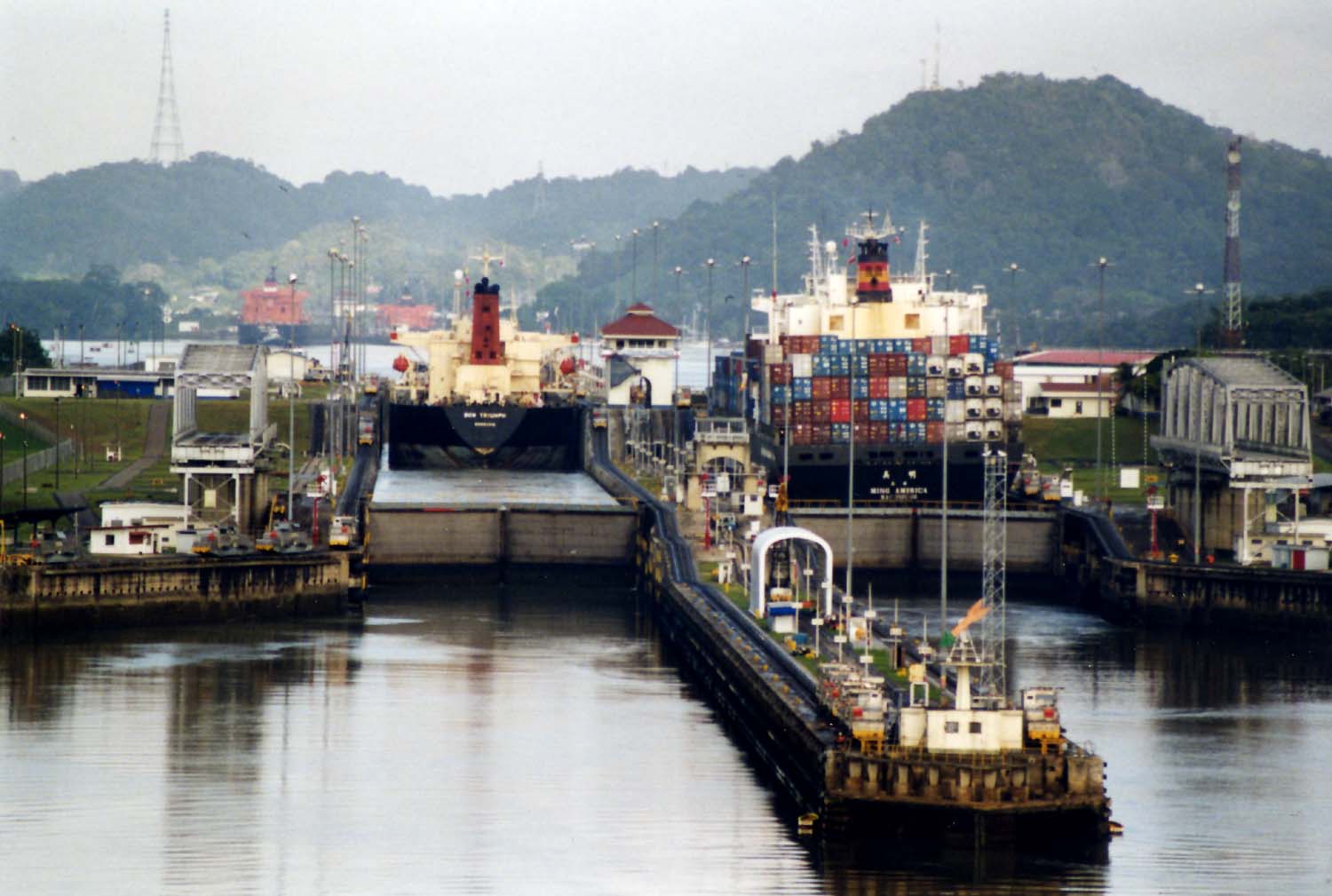
Miraflores, on the Pacific side, is the most visited and the easiest to reach from Panama City. It has a multi-level observation deck, a museum, and a viewing platform where you can watch vessels move through the two-step chamber system up close. Because traffic is frequent, most visitors see at least one transit during a stop.
Gatun Locks sit on the Atlantic side and lift ships in three steps up to Gatun Lake, which the Panama Canal Authority notes sits 26 meters above sea level. The scale here feels larger because the lift is higher, and the setting is quieter than the Pacific side.
The expanded locks, Cocoli on the Pacific and Agua Clara on the Atlantic, opened in 2016 to handle the largest Neopanamax vessels. The original lock chambers measure 33.53 meters wide by 304.8 meters long, and the expansion added even bigger chambers alongside them. Agua Clara has its own visitor center with a viewing platform that looks directly onto these newer, wider locks.
Best time of day to watch ships transit the canal
The best window to watch a transit is usually mid-morning to early afternoon. Traffic is scheduled in both directions, and the chambers tend to be busiest when northbound and southbound convoys overlap. Arriving during an empty chamber is the main disappointment visitors report, so timing matters more than the specific locks you choose.
The canal operates 24 hours a day, 365 days a year, so there is no closed season, but visitor centers keep daytime hours. A good guide checks the day's transit schedule before you set out, which is one of the quiet advantages of booking a tour rather than showing up and hoping. If you go on your own, ask staff at the visitor center when the next vessel is expected before you settle onto the deck.
.jpg)
How much time to budget and what a guided canal tour includes
Plan your day around the tour type. A land visit to a viewing center takes two to three hours once you include travel from Panama City. A partial transit is a half to full day. A full transit consumes an entire day. Add buffer time for traffic into and out of the city, which can be heavy.
A guided Panama Canal tour usually includes:
- Round-trip transport from your hotel or a central meeting point
- Entrance tickets to the visitor center or boarding fees for a transit
- A guide who explains how the locks work and points out details you would miss alone
- Timing built around expected transits so you actually see ships move
The value is in the coordination. The canal is a working waterway with its own schedule, and the difference between a great visit and a flat one often comes down to arriving when vessels are in the chambers.
Practical tips: tickets, transport, and combining the canal with other stops
A few practical points make the day smoother:
- Tickets: Visitor centers charge separate admission for the observation decks. Guided tours typically bundle this in, so confirm what your booking covers.
- Transport: Miraflores is close to Panama City, but rush-hour traffic can double your travel time. Leave early for a mid-morning arrival.
- What to bring: Sun protection, water, and a camera with zoom. The observation decks are exposed, and the tropical sun is strong even on cloudy days.
- Combine your stops: The canal pairs naturally with other nearby attractions. A Monkey Island boat trip on Gatun Lake, the historic old quarter of Panama City, or a rainforest walk all fit alongside a canal visit in a single itinerary.
Because the canal spans both coasts, the side you visit shapes what else you can add. A Pacific-side Miraflores stop combines easily with Panama City, while an Atlantic-side visit near Agua Clara pairs with Colon and the Caribbean coast.
Why booking a guided Panama Canal tour beats going solo
Going solo is possible, but it puts the hardest parts on you: reaching the visitor center at the right time, understanding what you are watching, and fitting the canal around the rest of your day. A guided tour removes that friction.
With a guide, you get transport that avoids the parking and traffic headaches, tickets sorted in advance, and arrival timed to live transits. You also get context. A guide can explain why a ship pauses, how the water fills the chamber, and what the different vessel types are, which turns a photo stop into an experience you understand. Hobby Pro Tours builds its canal tours around these transit windows and can combine the visit with a Monkey Island trip on Gatun Lake for travelers who want to see more of Panama in one outing.
For a sense of the engineering behind what you are watching, the canal is documented in detail by Encyclopaedia Britannica, and the operating authority publishes route and traffic figures through the Panama Canal Authority, which serves more than 180 maritime routes connecting 1,920 ports across 170 countries.
Ready to plan your visit? Decide first whether you want a quick land visit or a partial transit on the water, then book a guided tour that times your arrival to a live transit so you see the locks doing what they were built to do.
Frequently asked questions
How long does a Panama Canal tour take?
A land visit to a locks viewing platform runs two to three hours. A partial transit by boat usually takes four to six hours, and a full ocean-to-ocean transit lasts eight to ten hours.
What is the best Panama Canal locks to visit?
Miraflores Locks on the Pacific side is the easiest for visitors. It has a multi-level observation deck, a museum, and frequent ship traffic, and it sits close to Panama City.
When is the best time to watch ships transit the canal?
Mid-morning to early afternoon is usually busiest, since traffic is scheduled in both directions. Ask your guide about the day's transit schedule before you go.
Do I need a guide to visit the Panama Canal?
You can visit a viewing center on your own, but a guided tour arranges transport, tickets, and timing around live transits, and adds context you would otherwise miss.
Can I combine a Panama Canal tour with other Panama attractions?
Yes. Many visitors pair a canal visit with a Monkey Island boat trip on Gatun Lake, the Panama City old quarter, or the rainforest, all within easy reach.
[…] trips around the country and can help you fit San Blas into a plan that also includes the Panama Canal or a half-day on the water at Monkey […]
[…] nature morning plus a market afternoon, fills a day comfortably. If the canal is on your list, the complete Panama Canal tour guide covers what to expect from a full-day […]
[…] pair the outing with a canal experience; if you are weighing your options there, our guide to a Panama Canal tour walks through what to expect on the […]
[…] Bridge of the Americas. If ships are the reason you came to Panama, pair this view with a proper Panama Canal tour at the Miraflores Locks, where you see the same canal from water […]
[…] transiting rather than during a quiet lull. If you want the full picture before you go, the Panama Canal tour guide walks through the main viewing […]