
Key takeaways
- Monkey Island is a cluster of forested islands in Gatun Lake, the man-made freshwater lake created when the Chagres River was dammed to build the Panama Canal.
- You can reliably spot white-faced capuchins and howler monkeys, plus tropical birds and shoreline crocodiles, from the boat without landing on the islands.
- Early morning during the dry season (mid-December to mid-April) gives the calmest water and the most active wildlife.
- Responsible tours stay off the islands and never feed the monkeys, keeping wild animals wild.
Monkey Island Panama is a cluster of small, jungle-covered islands in Gatun Lake where wild capuchins and howler monkeys live in the trees along the water. You reach them by boat, usually as a half-day trip from the Gamboa area near Panama City, and you watch the animals from the water rather than landing on the islands. The wildlife is genuinely wild here, so what you see changes with the tide of the day, but a morning on the lake almost always rewards you with monkeys, birds, and a slow-moving crocodile or two.
What Monkey Island Panama Really Is
"Monkey Island" is a nickname, not an official place on the map. It refers to a group of forested islets scattered across Gatun Lake, the large freshwater lake that sits at the heart of the Panama Canal. That lake is man-made. When engineers dammed the Chagres River during canal construction in the early 1900s, the rising water flooded a hilly valley and left the higher ground poking above the surface as islands. The most famous of those hilltops, Barro Colorado Island, became a Smithsonian research station and is now one of the most studied patches of tropical forest on Earth.
The islands most tours visit are smaller than Barro Colorado, but they share the same origin story: former forest hilltops, now surrounded by water, with resident troops of monkeys that have made them home. Because the animals are marooned on limited land, they tend to gather near the shoreline, which is exactly why boats can get such reliable views.
Most trips launch from Gamboa, a small town along the canal about 40 minutes from Panama City. Many travelers pair the outing with a canal experience; if you are weighing your options there, our guide to a Panama Canal tour walks through what to expect on the water.
The Monkeys and Other Wildlife You Can Spot
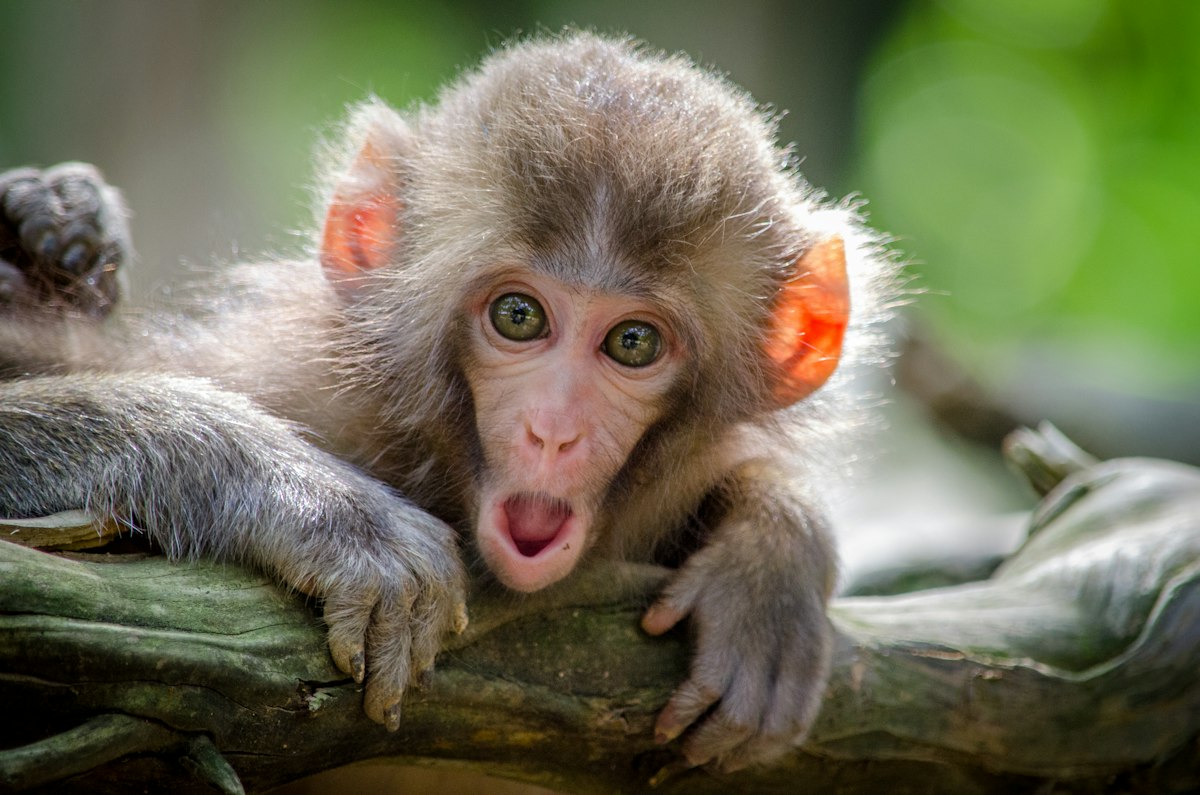
The stars of the trip are the monkeys, and two species do most of the work. White-faced capuchins are the curious, clever ones that come to the water's edge and watch the boats as closely as the boats watch them. Mantled howler monkeys are the deep-voiced ones you often hear before you see: their booming calls carry across the lake, especially at dawn.
Beyond those two, the wider Gatun Lake forests are home to spider monkeys and small tamarins, though these are shyer and less predictable. Panama sits at the meeting point of two continents, and its wildlife reflects that richness. The Smithsonian's research station on Barro Colorado Island, which shares this ecosystem, records more than 100 resident mammal species and almost 400 bird species on a single island. That gives you a sense of how much life crowds these shorelines.
A few animals you have a real chance of seeing:
- White-faced capuchins, active and inquisitive, often near the waterline
- Howler monkeys, usually higher in the canopy, loud at dawn and dusk
- Toucans and parrots, plus herons and kingfishers working the shallows
- Three-toed sloths, if your guide has a sharp eye for still shapes in the trees
- American crocodiles, resting along muddy banks
Keep expectations honest. This is not a zoo, and no operator can promise a specific animal on a specific day. A good guide reads the light, the weather, and the behavior of the troops to put you in the right place.
Best Time of Day and Season for Sightings
Two timing choices make the biggest difference: the hour and the season.
For the hour, go early. Animals feed and move most in the cool of the morning, then rest through the midday heat. An early departure also gives you the calmest, glassiest water, which matters for both comfort and photography. Late afternoon is a decent second choice as the heat fades and the howlers start up again.
For the season, Panama runs on two: a dry season from roughly mid-December to mid-April, and a wet season the rest of the year. The dry months bring steadier weather and calmer lake conditions, which is why they are the most popular window for boat tours. That said, the wet season is far from a washout. Rain here usually arrives as an afternoon burst, so a morning tour often stays dry, and the forest is at its greenest. If you are traveling between May and November, simply book the earliest boat you can.
How Boat Tours Reach the Islands Responsibly
The islands are protected habitat, and the right way to visit is from the water. Reputable operators do not land passengers on the monkey islands and do not let people handle or feed the animals. Feeding wild monkeys changes their behavior, damages their health, and can make them aggressive toward the next boat. Watching from a short distance keeps the experience good for everyone, including the wildlife.
A typical trip uses a small, low-wake boat that can idle quietly along the shoreline. The captain cuts the engine near a troop so you drift rather than roar past, which lets the animals stay relaxed and gives you long, unhurried views. Guides who work these waters daily know which coves the troops favor and how to approach without crowding them.
Hobby Pro Tours runs its Monkey Island trips on exactly this model: small boats, no feeding, and guides who prioritize the animals' comfort over a closer photo. If you want a detailed sense of the on-water experience before you book, our companion piece on the Monkey Island Panama tour covers the route and pacing step by step.
What Else You'll See: Birds, Crocodiles, and Lush Shoreline
The monkeys get top billing, but the lake itself is the real attraction, and the shoreline is alive from the waterline up. Herons and egrets stalk the shallows, kingfishers dart across open water, and if you are lucky, a toucan crosses overhead with that unmistakable heavy-billed silhouette. Panama is one of the great birding countries in the Americas, and even a casual passenger tends to rack up a surprising list in a couple of hours.
Along the muddy banks you will likely spot American crocodiles sunning themselves. They are a normal, healthy part of this ecosystem, and they are also the main reason swimming in Gatun Lake is off-limits. From a boat they are simply another great sighting, often lying motionless until they slip into the water with barely a ripple.
The scenery does its own quiet work too. Thick green forest tumbles right down to the water, vines drape from the canopy, and the occasional canal ship gliding across the far side of the lake reminds you that this wild refuge sits inside one of the busiest shipping routes on the planet. That contrast, deep jungle beside a working waterway, is part of what makes the trip memorable.
Tips for Photographing Wildlife from the Boat
Shooting from a moving boat is its own small skill, but a few habits make a big difference:
- Raise your shutter speed. Both the boat and the animals move, so aim for a fast shutter (1/1000 or quicker) to keep images sharp. On a phone, this happens automatically in bright light, which is another reason to go in the morning.
- Zoom with glass, not by leaning. A longer lens or a phone with real optical zoom lets you fill the frame without pressuring the animals. Never ask a guide to move closer than the troop is comfortable with.
- Brace yourself. Rest your elbows on your knees or a gunwale to steady the shot, and take short bursts rather than single frames so you can pick the sharp one.
- Shoot the eyes and the light. Focus on the monkey's eyes, and use the soft morning light before the sun gets harsh. Backlit canopy shots are lovely but tricky; expose for the animal, not the sky.
- Put the camera down sometimes. The best moment on the lake is often just watching a capuchin size you up while you sit quietly on the water.
If a Monkey Island morning has you dreaming up a fuller Panama itinerary, the natural next move is to line up a second wildlife or cultural outing while you are in the Gamboa area, then book your boat for the earliest departure the schedule allows. Reserve ahead in the dry season, when the calm-water mornings fill up fast, and bring a lightweight zoom and plenty of water. The monkeys will be waiting at the shoreline.
Frequently asked questions
Where is Monkey Island in Panama?
Monkey Island is a group of small forested islands in Gatun Lake, part of the Panama Canal waterway. Most tours depart from the Gamboa area, roughly 40 minutes from Panama City.
What monkeys will I see on a Monkey Island tour?
The most commonly seen species are white-faced capuchins and mantled howler monkeys. Spider monkeys and tamarins also live in the wider Gatun Lake forests, though sightings vary by day.
What is the best time to visit Monkey Island Panama?
Early morning in the dry season, roughly mid-December to mid-April, offers calm water, cooler temperatures, and the most active wildlife.
Can you touch or feed the monkeys?
No. Responsible operators keep boats at a respectful distance and never feed the animals, which protects both the wildlife and visitors.
Are there crocodiles in Gatun Lake?
Yes. American crocodiles live along the lake's shoreline, so swimming is not allowed. You can safely watch them from the boat.
[…] Boat tours reach it in roughly an hour from the city and usually run as a half-day outing. Our Monkey Island guide explains the wildlife, boats and best time to […]
[…] trips like a visit to Monkey Island run all year, but timing changes the experience. Our Monkey Island Panama guide breaks down how the seasons affect boat conditions and animal […]
[…] waterways can sit high in the trees. If you want to know what to expect on the water, our guide to Monkey Island Panama: Wildlife, Boats, and Best Time to Visit covers the experience in […]